
Pilsudski Square in Warsaw: The Tomb of the Unknown Soldier
The essentials: The Tomb of the Unknown Soldier stands on Pilsudski Square in Warsaw, under the surviving arcades of the Saxon Palace. Created in 1925, it holds the remains of an unknown defender of Lwow from 1918. An eternal flame burns there, guarded by the Representative Regiment of the Polish Army.
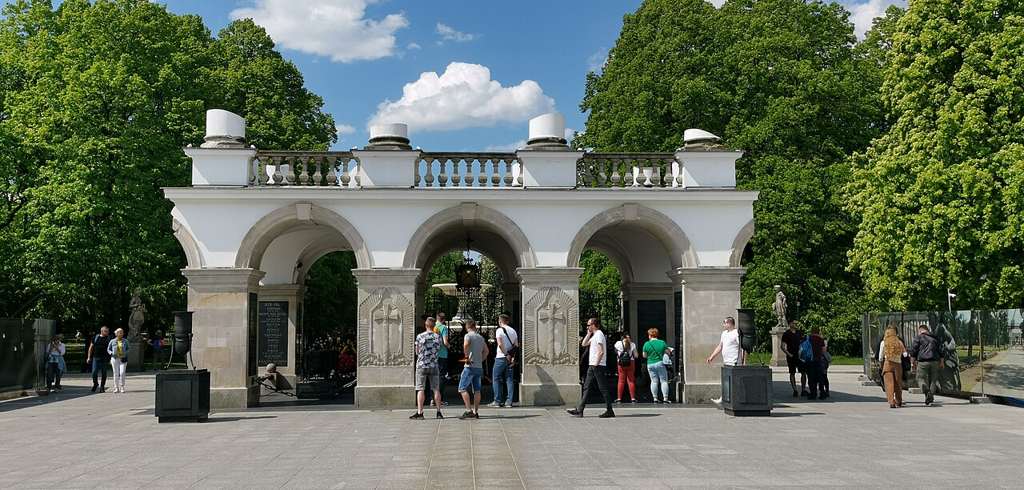
Photo: Z thomas, Wikimedia Commons (CC BY-SA 4.0). The Tomb of the Unknown Soldier under the Saxon Palace arcades in Warsaw.
Pilsudski Square is Warsaw ceremonial heart, and its most solemn point is the Tomb of the Unknown Soldier (Grob Nieznanego Zolnierza), standing under the surviving arcades of the Saxon Palace.
Origins
According to the Ministry of Culture and National Heritage, the decision to create the tomb was taken in January 1925. Designed by sculptor Stanislaw Ostrowski, it received the remains of an unknown young soldier who fell defending Lwow in 1918, placed there on 2 November 1925.
The monument today
An eternal flame burns at the tomb, watched over around the clock by soldiers of the Representative Regiment of the Polish Army. The arcades are the only surviving fragment of the Saxon Palace, destroyed in 1944.
One hundred years
The tomb marked its 100th anniversary on 3 November 2025, with state ceremonies attended by President Karol Nawrocki. The square around it remains the setting for national commemorations and official ceremonies.
FAQ
What is the Tomb of the Unknown Soldier in Warsaw?
A national memorial created in 1925 under the arcades of the former Saxon Palace on Pilsudski Square, holding the remains of an unknown soldier who fell defending Lwow in 1918.
Who guards the Tomb of the Unknown Soldier?
A permanent honour guard from the Representative Regiment of the Polish Army, standing watch by the eternal flame.
When was the tomb created?
The decision was taken in January 1925, to a design by sculptor Stanislaw Ostrowski, and the remains were placed there on 2 November 1925.
Sources
Follow Warsaw Daily on Instagram
Daily Warsaw news, events, concerts and city tips in English: @warsawdailynews
Related articles
Warsaw Metro Guide: Lines, Stations and Timetables
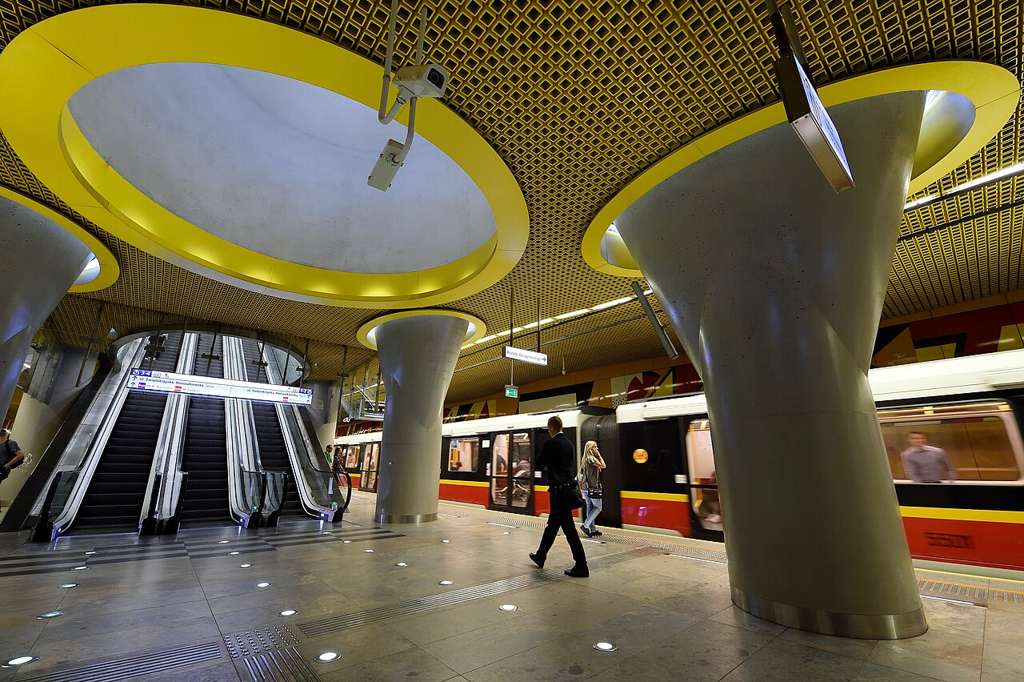
The Warsaw Metro has two lines: M1 with 21 stations from Mlociny to Kabaty, and M2 with 18 stations from Bemowo to Brodno. Current timetables are valid from 1 September 2026.
National Museum of Technology in Warsaw: A Visitor Guide
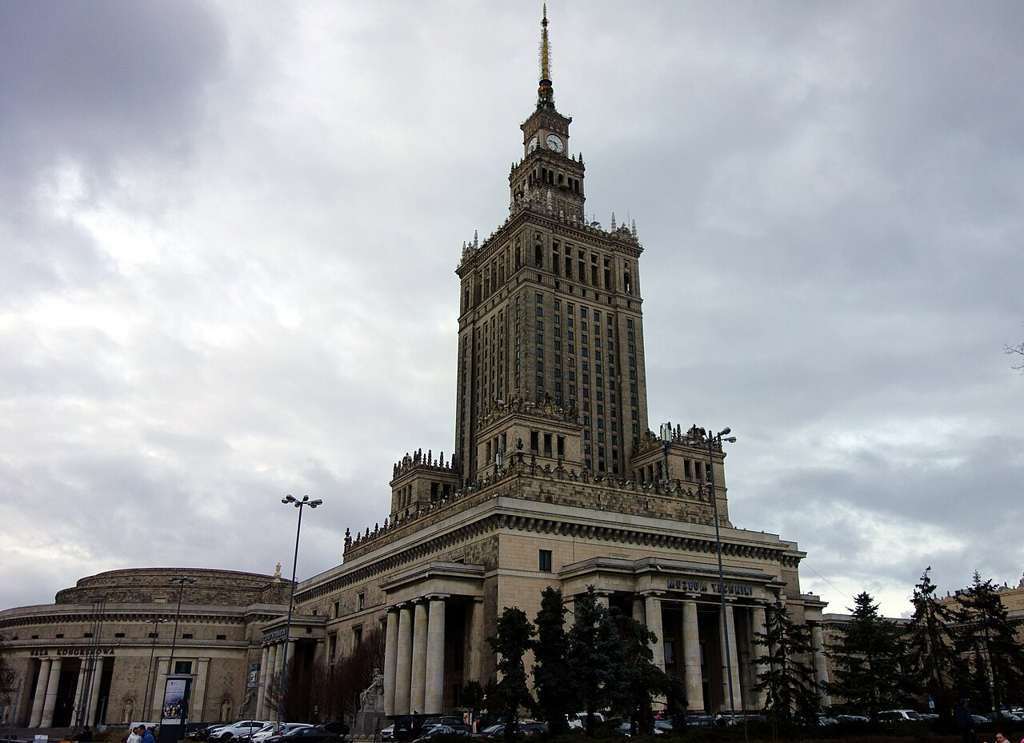
The National Museum of Technology in Warsaw was founded in 1929 by Kazimierz Jackowski and now sits in the Palace of Culture and Science. Open Tuesday to Sunday, 9:00-18:00.
Museum of Evolution in Warsaw: Dinosaurs in the Palace of Culture
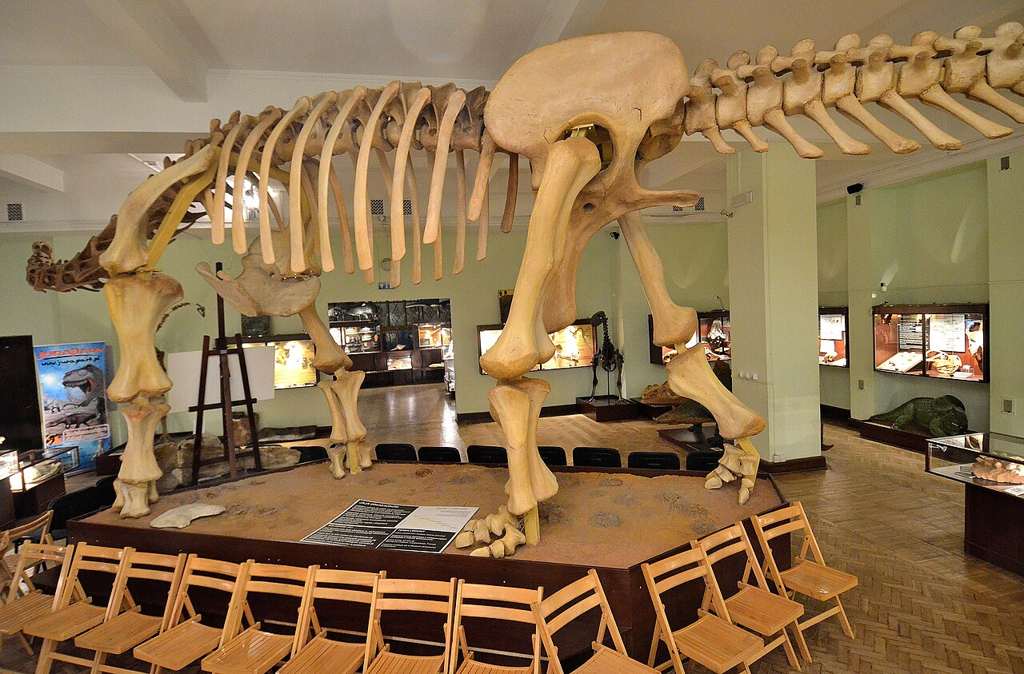
The Museum of Evolution of the Polish Academy of Sciences sits inside the Palace of Culture and Science in Warsaw. Open Tue-Sat 8:00-16:00 and Sun 9:00-15:00, closed Mondays.