
Praga Północ: a guide to Warsaw's right-bank district
What to know: Praga Północ is Warsaw's best-preserved pre-war district - start at the M2 Dworzec Wileński station, walk Ząbkowska street and finish at the Koneser complex for food, galleries and the Polish Vodka Museum.
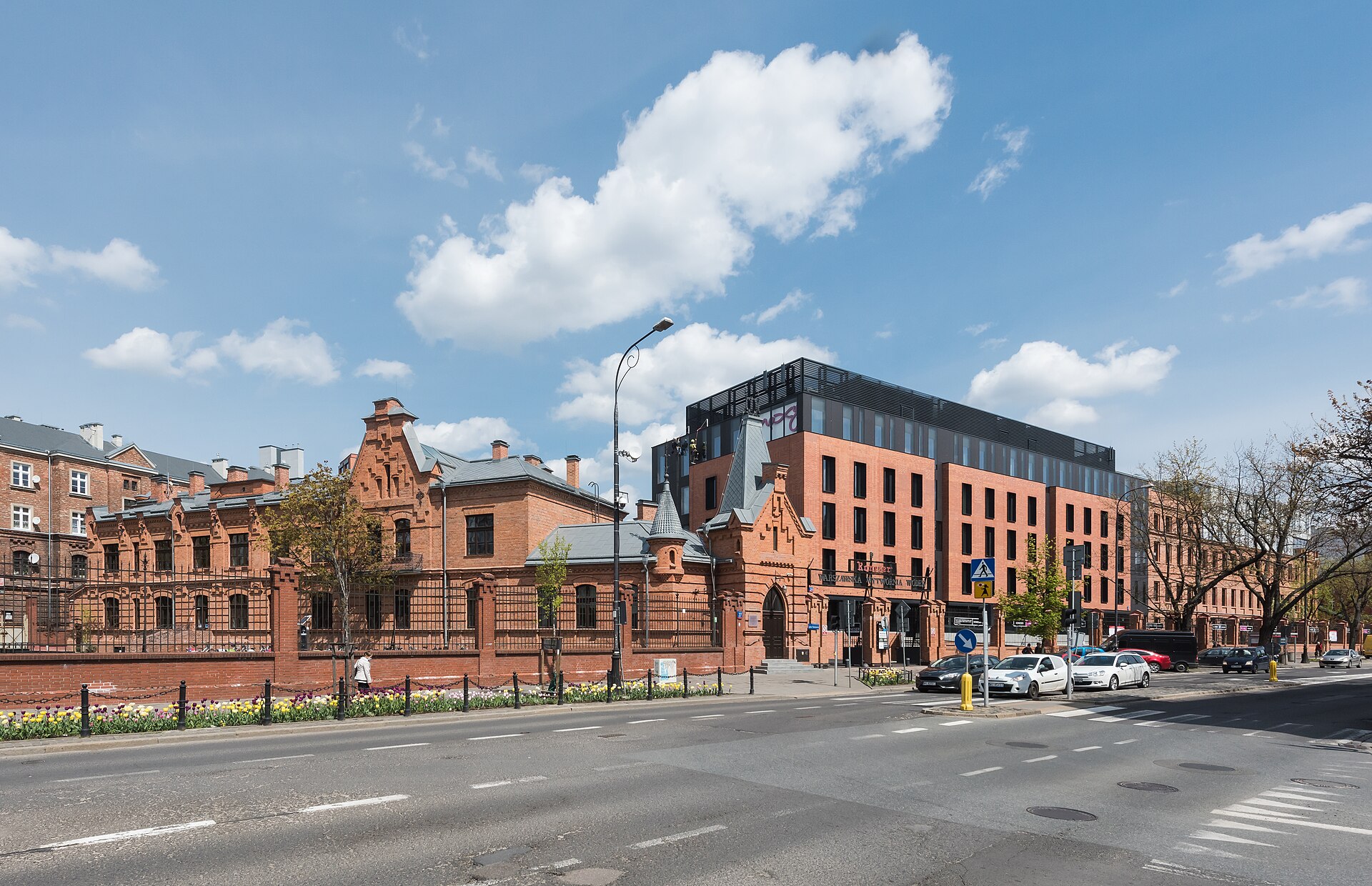
Photo: Adrian Grycuk, Wikimedia Commons (CC BY-SA 3.0 PL). Centrum Praskie Koneser from Ząbkowska street.
Praga Północ, the district on the right bank of the Vistula, is the most genuine surviving piece of old Warsaw. Its name comes from prażenie - the burning of forest to clear land for settlement - and the first references to Praga go back almost 600 years. While the left-bank city was levelled during World War II, Praga was largely spared, which is why its 19th-century tenement houses, temples and industrial buildings still stand.
A stormy, multicultural past
Praga's history includes the Swedish Deluge, the 1794 massacre during the Kościuszko Uprising and the battles of the November Uprising. For centuries Catholics, Jews and Orthodox Christians lived side by side here - a mix still visible in the Cathedral of St. Michael the Archangel and St. Florian the Martyr and the Orthodox Church of St. Mary Magdalene. The district of Szmulowizna recalls the royal banker Szmul Zbytkower, and the historic Różycki's Market (Bazar Różyckiego) was founded in the 19th century by the pharmacist Julian Różycki.
Koneser: from vodka factory to culture hub
The district's most recognisable industrial complex, the former Warsaw Vodka Distillery Koneser, was built between 1895 and 1897 and reopened in 2018 after a full revitalization as Centrum Praskie Koneser. The five-hectare site between Białostocka, Markowska, Nieporęcka and Ząbkowska streets mixes restaurants, bars and cafés with museums and galleries - the Polish Vodka Museum sits in the historic rectification building - plus the Warsaw Moxy Praga hotel and the only Google for Startups Campus in Central and Eastern Europe. The restored main gate on Ząbkowska is open around the clock and leads to the public Plac Konesera.
The art scene and how to visit
Neglected for decades after the war, Praga was rediscovered first by filmmakers, then by artists, and its galleries, clubs and workshops now make it Warsaw's most creative district. Ząbkowska, Brzeska, Inżynierska and 11 Listopada streets draw the crowds; the Neon Museum and the Warsaw Zoo also sit on this side of the river. The easiest way in is the M2 metro to Dworzec Wileński; from there Ząbkowska street and Koneser are a short walk.
FAQ
Why does Praga look older than the rest of Warsaw?
Praga was largely spared the destruction of World War II, so it kept its 19th-century tenement houses, temples and industrial buildings that vanished elsewhere in the city.
What is the Koneser complex in Praga?
Centrum Praskie Koneser is the revitalized former Warsaw Vodka Distillery - its oldest buildings date to 1895-1897 - reopened in 2018 with restaurants, museums including the Polish Vodka Museum, a hotel and the Google for Startups Campus.
How do I get to Praga Północ?
The M2 metro line stops at Dworzec Wileński, next to the Wilenia shopping centre and a short walk from Ząbkowska street and the Warsaw Zoo.
Sources
Follow Warsaw Daily on Instagram
Daily Warsaw news, events, concerts and city tips in English: @warsawdailynews
Related articles
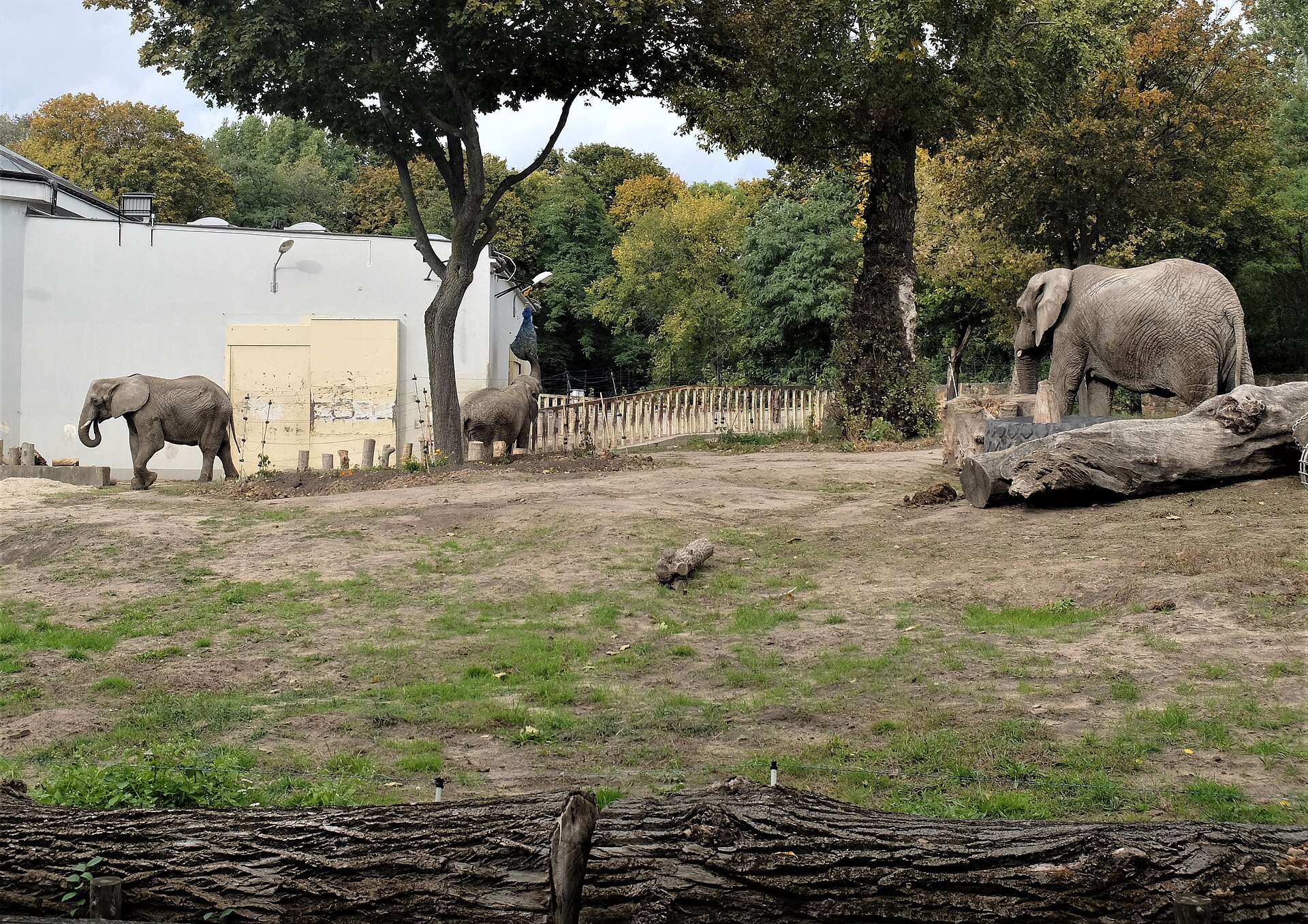
Warsaw Zoo: opening hours, ticket prices and free-entry rules
The Warsaw Zoo in Praga opens every day of the year from 9:00. Autumn-winter ticket prices, last-entry rules and who gets in free.
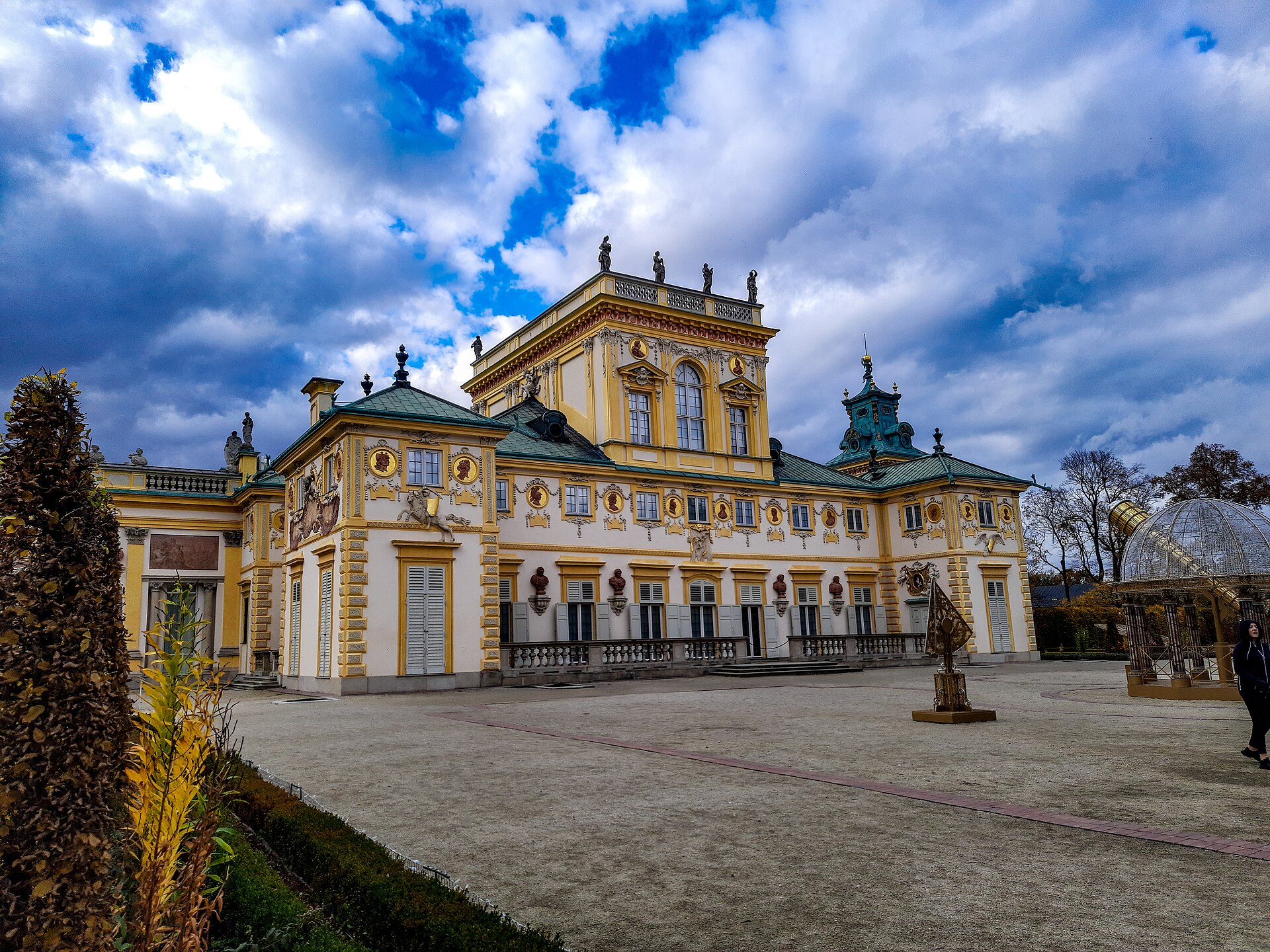
Wilanów Palace in Warsaw: tickets, free Thursdays and how to visit the Polish Versailles
Wilanów Palace opens daily 10:00-16:00. Palace tickets cost 70 zł in October (60 zł from November), visitors aged 8-26 pay 1 zł, and Thursdays are free. What to see and how to plan the visit.
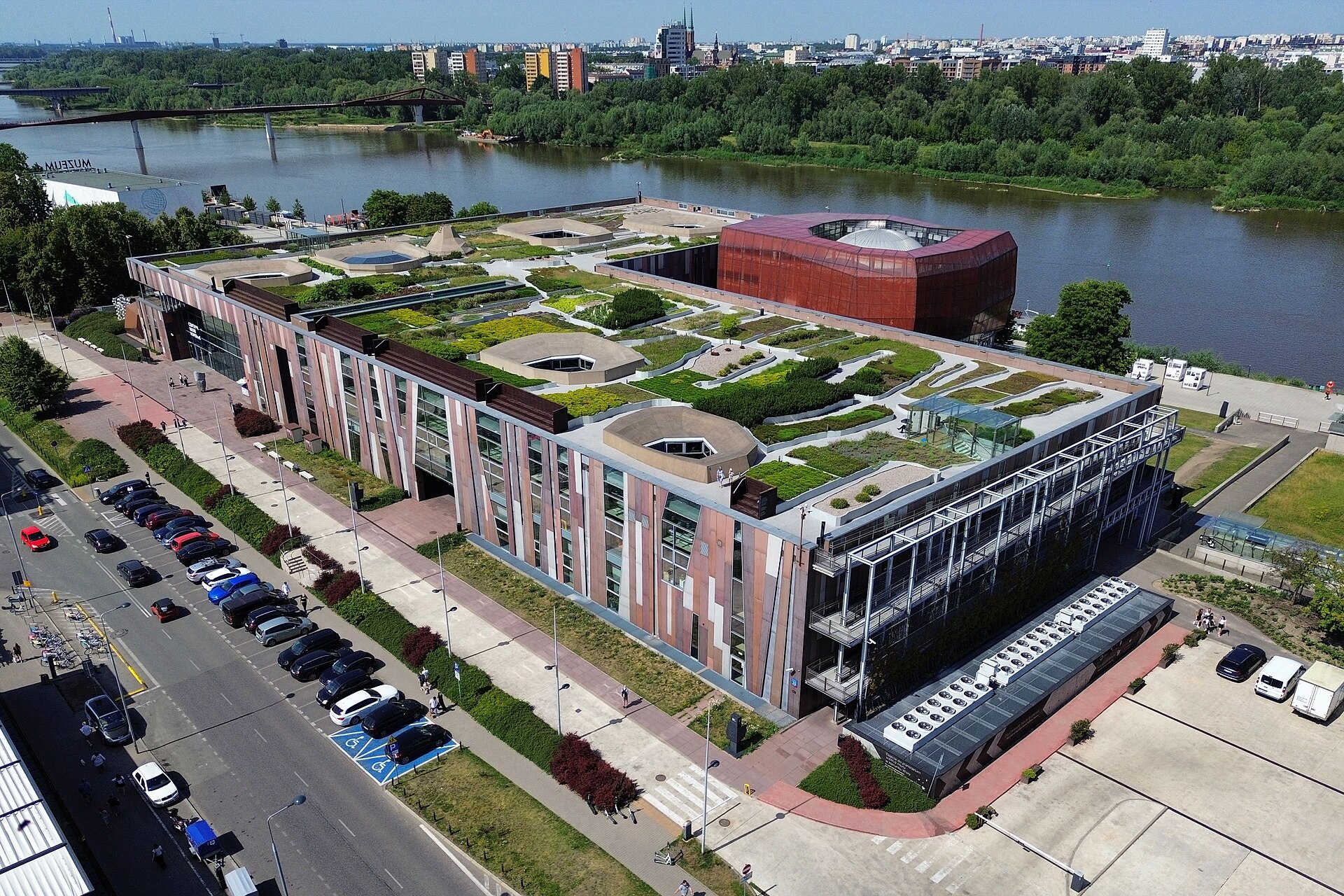
Copernicus Science Centre in Warsaw: tickets, hours and what to know before you go
Warsaw's Copernicus Science Centre costs 48 zł on weekdays and 50 zł on weekends, reduced 34/36 zł. Exhibitions open Mon-Thu 9:00-18:00, Fri to 20:00, weekends to 19:00. The Planetarium needs a separate ticket.