
Skaryszewski Park: Warsaw's most picturesque landscape park on the right bank
What to know: Skaryszewski Park is a free, 24-hour landscape park in Praga-Poludnie, created in 1905-1916 on the marshes of old Skaryszew and named after Ignacy Jan Paderewski. Its nearly 50 hectares hold Kamionkowskie Lake, ornamental ponds, a stone cascade, a rose garden and notable interwar sculptures - one of the finest garden designs in Warsaw.
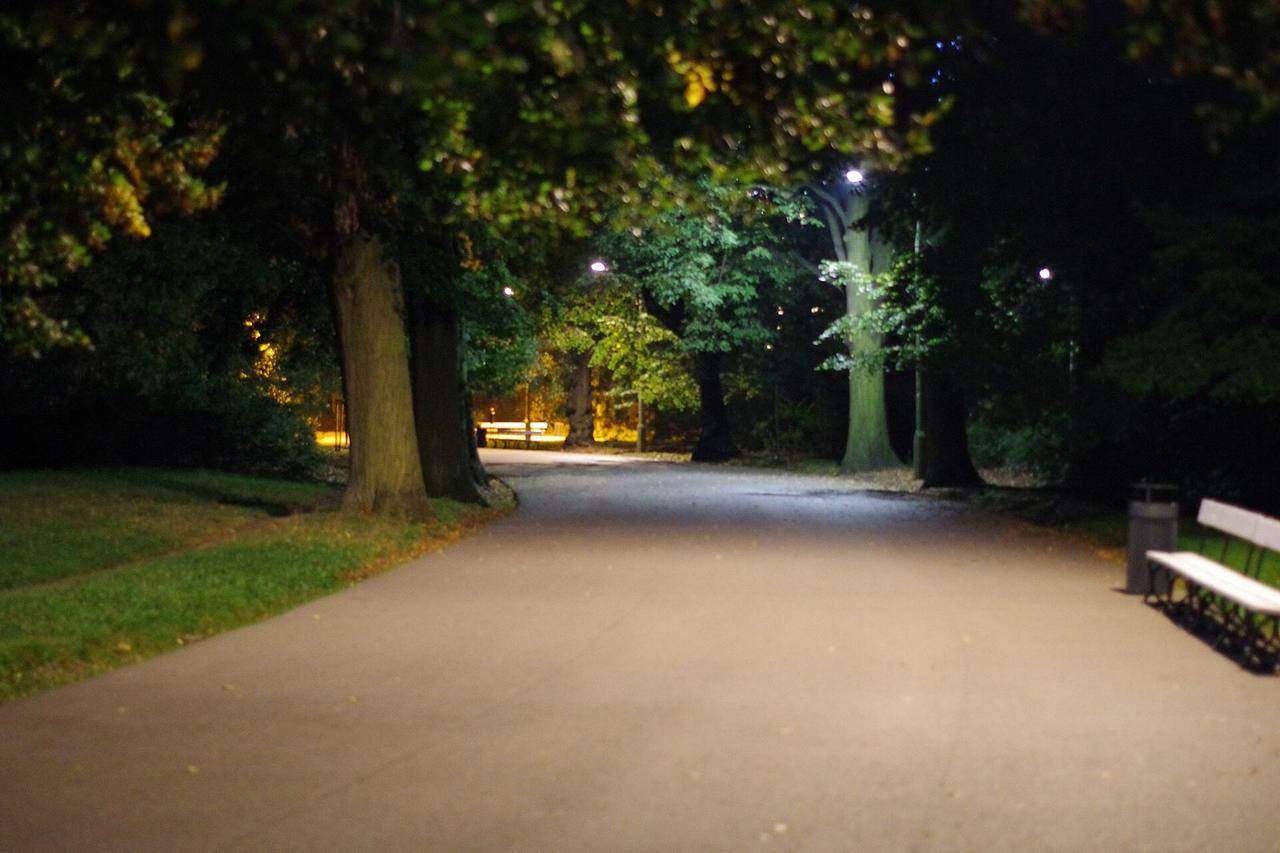
Photo: Artur Sapun, Wikimedia Commons (CC BY-SA 4.0). Inside Skaryszewski Park.
Varsovians call it Skaryszak. Officially the Ignacy Jan Paderewski Skaryszewski Park, it takes up nearly half of the Kamionek area in Praga-Poludnie and is widely described as one of the most beautiful garden designs in Warsaw - a landscape park of hills, water and old trees on the former flood meadows of the Vistula.
From marshland to showpiece
The idea for a park on the right bank came with plans for a third Vistula bridge in the early 20th century. The bridge went up in 1904-1913 - where the Poniatowski Bridge stands today - and in parallel, between 1905 and 1916, the park was laid out to a design by Franciszek Szanior, an outstanding landscape architect who blended the landscape style with early modernism. The official opening came in 1916, when the park covered 45 hectares. Between 1921 and 1930 Leon Danielewicz extended it, adding a cafe, a children's playground and the rose and dahlia gardens; in those years it carried the name Paderewski Park and hosted fashion shows, dances and jazz concerts. In 1935 the Kurier Warszawski praised it as one of the most beautiful gardens in Poland.
Water everywhere
The park's signature is its water system: the landscape ponds - the Kayak Pond, the Swan Pond and the smaller Duck Ponds reached by a stone cascade - and Kamionkowskie Lake, a roughly 8-hectare former Vistula oxbow that borders the park to the north. A sizeable stone waterfall spills from the park's highest point near ul. Międzynarodowa. The whole system forms part of the district's wider water network, once linked to the Vistula itself.
Sculptures and a rose garden
Three interwar sculptures anchor the design: Rytm (Rhythm) by Henryk Kuna from 1925, which won the grand prix at the 1925 Paris decorative arts exhibition; Tancerka (Dancer) by Stanisław Jackowski (1927) in the rose garden; and Kąpiąca (Bather) by Olga Niewska (1929) on the Swan Pond. The rose garden itself was laid out in 1925-1926 by Leon Danielewicz, who planned 5,000 roses in 80 varieties; six ancient Japanese magnolias bloom by it in spring. A replica of Jan Biernacki's art deco Faun, lost in the war, returned in the 2000s thanks to a Saska Kepa resident. At the main entrance stands a bust of Paderewski (1989), and near it a 2002 granite monument to the Polish victims of the 9/11 attacks.
Nature and wildlife
Over 160 species and varieties of woody plants grow here, from ash-tree avenues to a monumental red-leaved beech. Eighteen mammal species - half of all those found in Warsaw - live in the park, including beavers, whose feeding marks show on the willows, plus foxes and a dense population of red squirrels. Mute swans glide on Kamionkowskie Lake, and a tawny owl hides here by day. Recent renovation swapped the old concrete lamp posts for early-20th-century-style lanterns with motion sensors that dim and warm the light after midnight to protect nocturnal animals.
Visiting
The park covers about 49.6 hectares, is open around the clock and is free. The main entrance is at Rondo Waszyngtona, with another accentuated entrance at the end of ul. Międzynarodowa. Paths were resurfaced and lighting rebuilt in a 2023 renovation. Combine the visit with a walk through Saska Kepa next door.
FAQ
Who designed Skaryszewski Park?
Landscape architect Franciszek Szanior; the park was built in 1905-1916 and officially opened in 1916.
Is Skaryszewski Park free and open at night?
Yes - entry is free and the park is open around the clock, with smart lighting that dims and warms after midnight to protect wildlife.
What is the lake in Skaryszewski Park called?
Kamionkowskie Lake, a former Vistula oxbow of about 8 hectares, connected to the park's system of ornamental ponds.
Why is it called the Paderewski Park?
It is named after Ignacy Jan Paderewski, the pianist and statesman; his bust stands at the main entrance by Rondo Waszyngtona.
Sources
Follow Warsaw Daily on Instagram
Daily Warsaw news, events, concerts and city tips in English: @warsawdailynews
Related articles
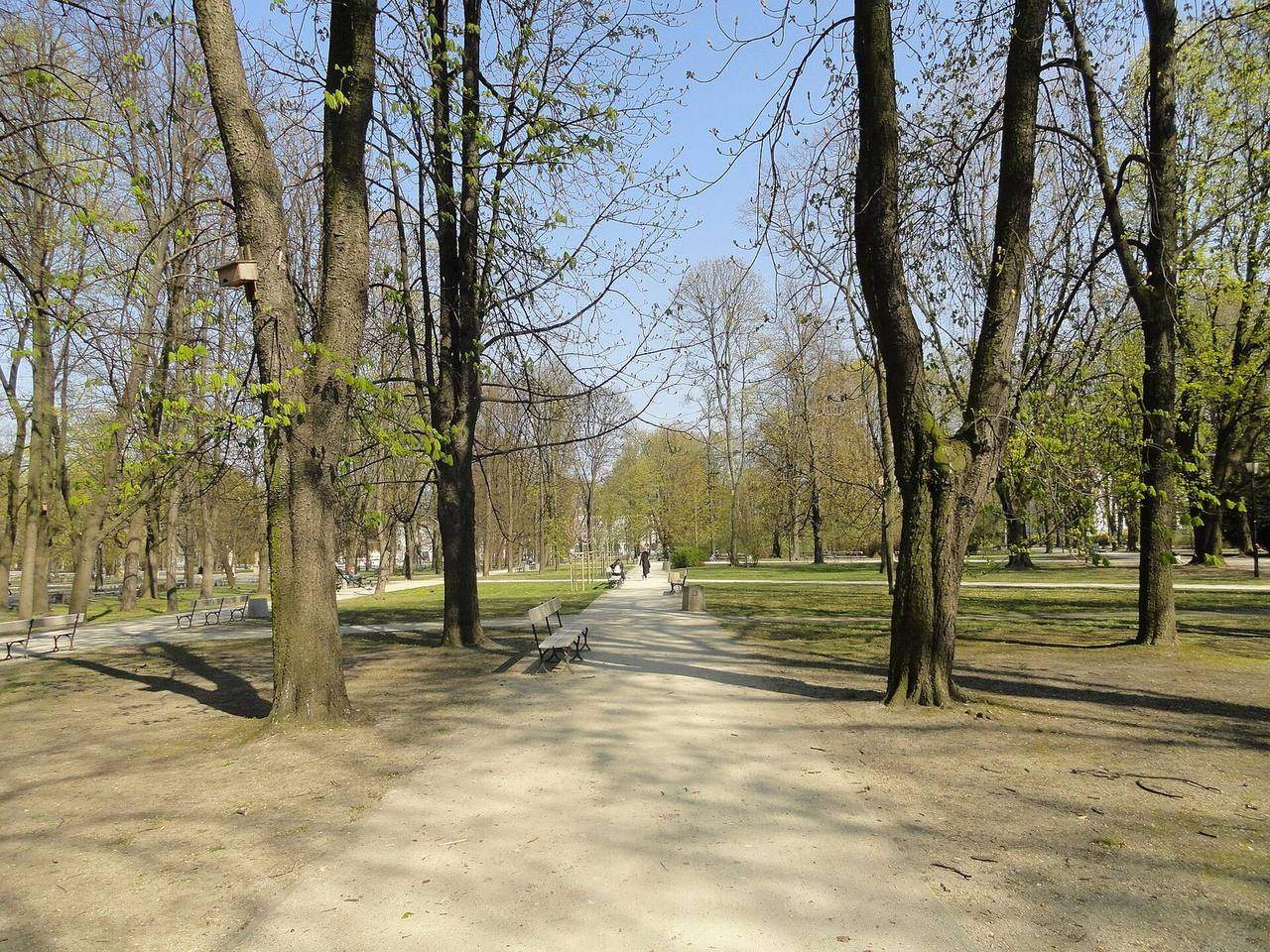
Saxon Garden in Warsaw: Poland's first public park, baroque statues and the Marconi fountain
The Saxon Garden opened to the public in 1727, the first park of its kind in Poland. Baroque statues, a fountain from the first city waterworks and the Tomb of the Unknown Soldier, next to Pilsudski Square.
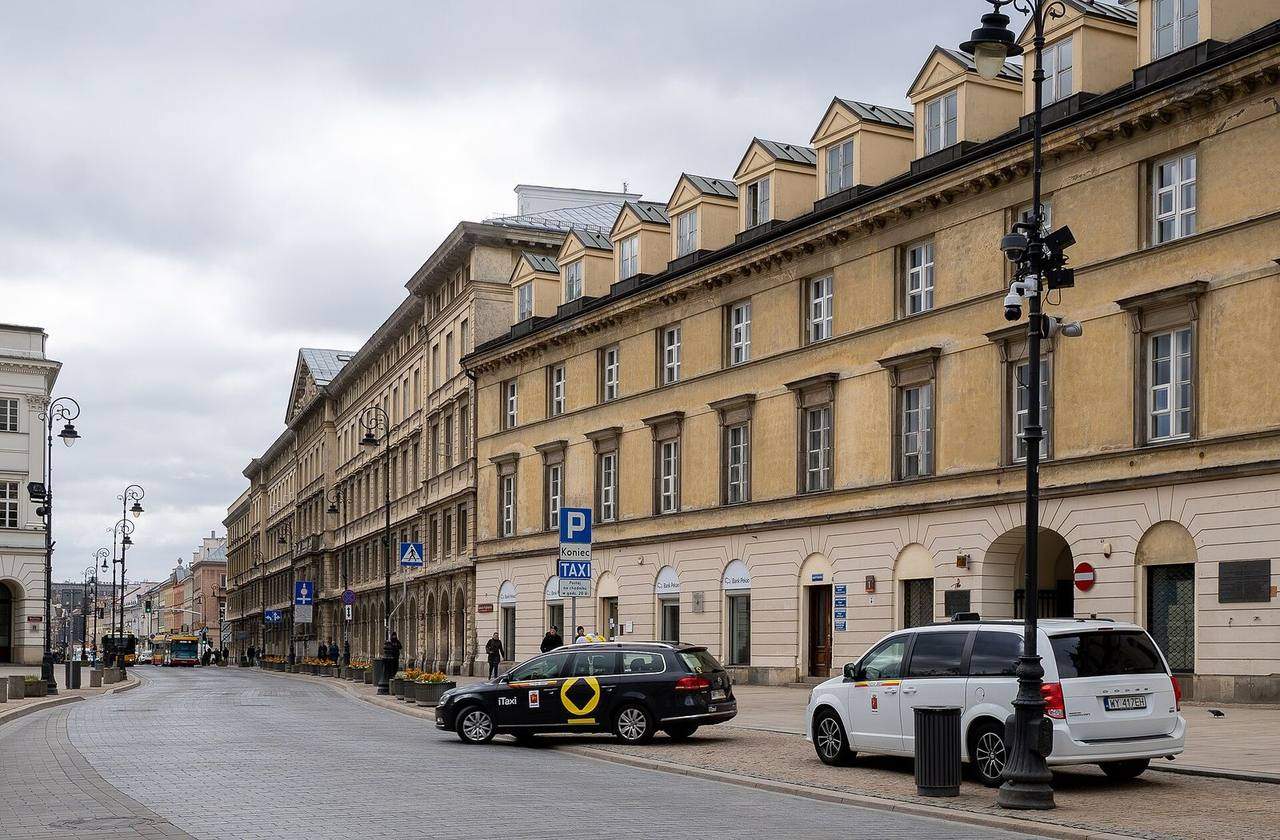
The Royal Route in Warsaw: palaces, churches and gardens from Castle Square to Wilanow
Warsaw's Royal Route links the Royal Castle with Lazienki Park and Wilanow Palace along Krakowskie Przedmiescie, Nowy Swiat and Aleje Ujazdowskie. What to see along the way, from the official city guide.
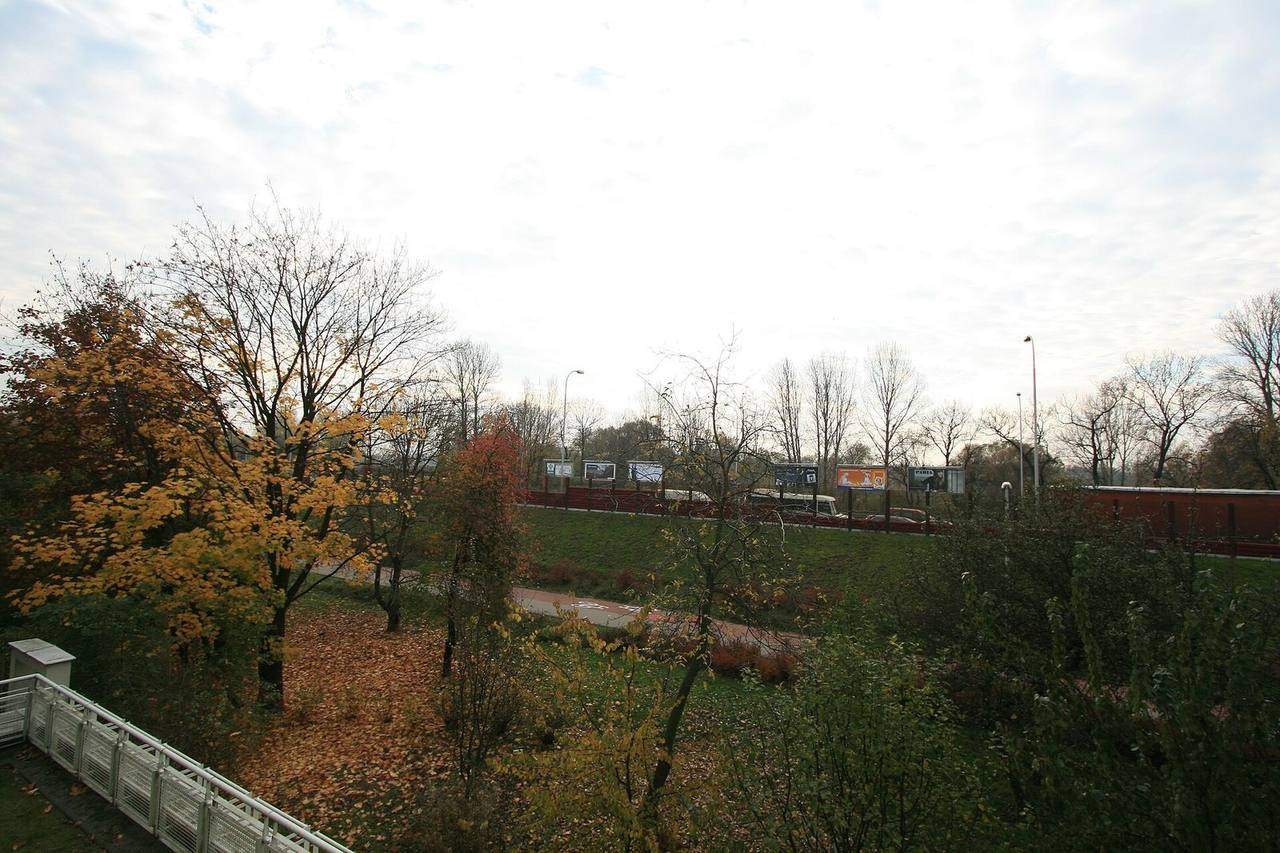
Saska Kepa: pre-war villas, modernist streets and the geodetic centre of Warsaw
Saska Kepa is the right-bank neighbourhood of elegant pre-war villas and modernist architecture that kept a small-town feel next to the city centre. It even holds the official geodetic centre of Warsaw.