
Warsaw Uprising Mound and the revitalized Burza Action Park in Mokotow
What to know: The Warsaw Uprising Mound is an artificial hill in Mokotow raised from the rubble of the destroyed city after World War II, crowned with the Fighting Poland anchor symbol. The park around it - Park Akcji Burza - reopened on 31 July 2023 after a revitalization, with a two-level viewing platform, historic ruins in gabions, a nature trail and ramps that make the top accessible without stairs.
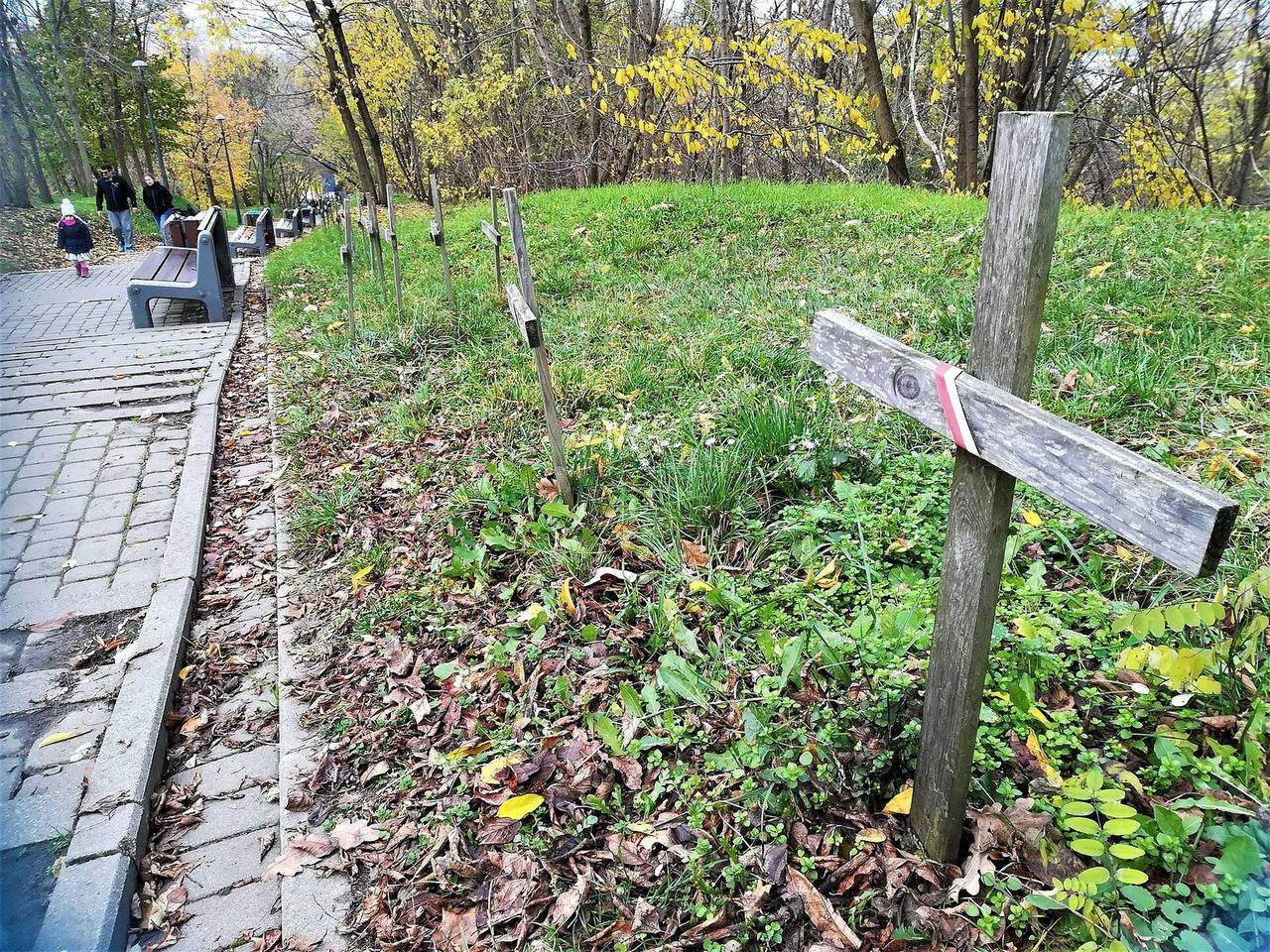
Photo: MOs810, Wikimedia Commons (CC BY 3.0). The memorial on top of the Warsaw Uprising Mound.
Few viewpoints in Warsaw mean as much as the Warsaw Uprising Mound (Kopiec Powstania Warszawskiego). The artificial hill at ul. Bartycka in Mokotow was heaped after World War II from the rubble of the almost totally destroyed city. According to the city's official tourism portal, the mound reaches 120 metres and about 400 steps lead to the monument at its peak, where a fire burns during commemorations of the 1944 Uprising.
A park that tells the story of the rubble
On 31 July 2023 - the eve of the Uprising anniversary - the city reopened the surrounding Burza Action Park after a full revitalization supervised by Warsaw's greenery authority. Visitors entering from Bartycka street pass an open-air exhibition on the rebuilding of Warsaw: fragments of the ruined capital displayed in large gabions with information boards, arranged like a labyrinth of ruins. Smaller displays in the same spirit line the renovated stairs of the W Hour alley.
Two ways up
The summit holds a two-level viewing platform with the renewed Fighting Poland symbol mounted on a new plinth. Two routes lead there: stairs with resting spots and illuminated railings, and rebuilt ravines whose walls are formed from gruzobeton - concrete made with rubble recovered during the works, a deliberate reference to the mound's origins. The ravine walls are designed to overgrow with moss over time.
Nature and access
From the ravines, a nature path with benches leads past Polish and English boards explaining the ruderal vegetation and pioneer species that colonize places like this, ending at a boardwalk among the trees. A second entrance from ul. Grupy AK Polnoc has a dog zone, and a large meadow holds a children's recreation area built mostly from natural materials. More than 450 young park trees and about 8,500 forest-tree seedlings were planted, alongside native shrubs and perennials, while zones of wild nature were left with limited human access. The steep approach to the top was eased and fitted with ramps, so wheelchair users and parents with prams can reach the summit without stairs.
Cost and design
The rebuild cost over 24 million PLN, co-financed from the EU Cohesion Fund under the Infrastructure and Environment programme. The design came from the topoScape and Archigrest studios, with construction by Remondis.
Visiting
The park is open around the clock and entry is free. The mound also features in our roundup of Warsaw's best viewpoints, and pairs well with the Warsaw Rising Museum for anyone tracing the history of 1944.
FAQ
What is the Warsaw Uprising Mound?
An artificial hill in Mokotow heaped after World War II from the rubble of destroyed Warsaw, crowned with a monument carrying the Fighting Poland anchor symbol.
How many steps lead up the Uprising Mound?
About 400 steps lead to the monument at the top, which stands 120 metres high; ramps offer a step-free route as well.
When did the park around the Uprising Mound reopen?
On 31 July 2023, after a revitalization costing over 24 million PLN.
Is the Uprising Mound free to visit?
Yes, the park and the viewing platform are free and open around the clock.
Sources
Follow Warsaw Daily on Instagram
Daily Warsaw news, events, concerts and city tips in English: @warsawdailynews
Related articles
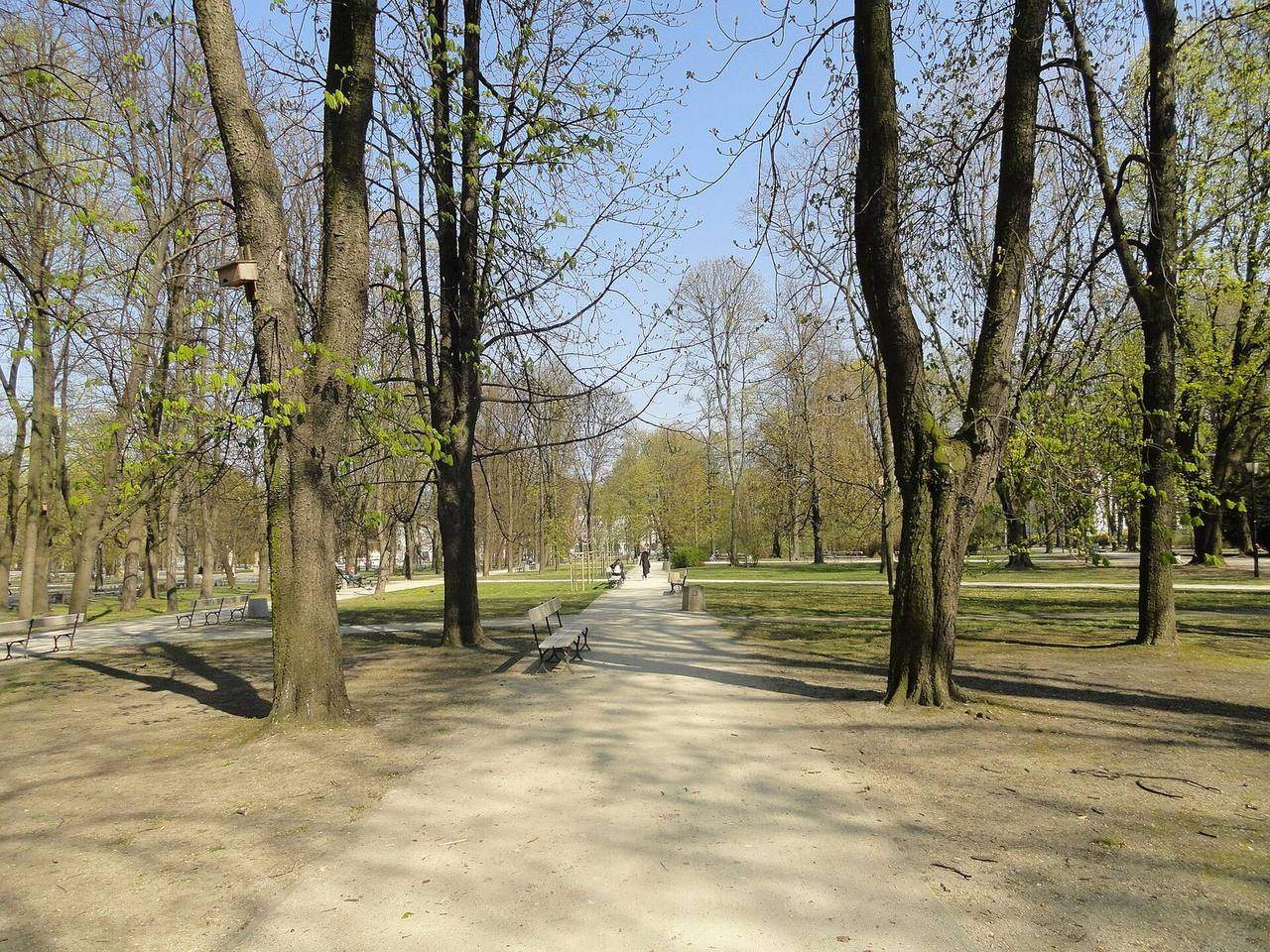
Saxon Garden in Warsaw: Poland's first public park, baroque statues and the Marconi fountain
The Saxon Garden opened to the public in 1727, the first park of its kind in Poland. Baroque statues, a fountain from the first city waterworks and the Tomb of the Unknown Soldier, next to Pilsudski Square.
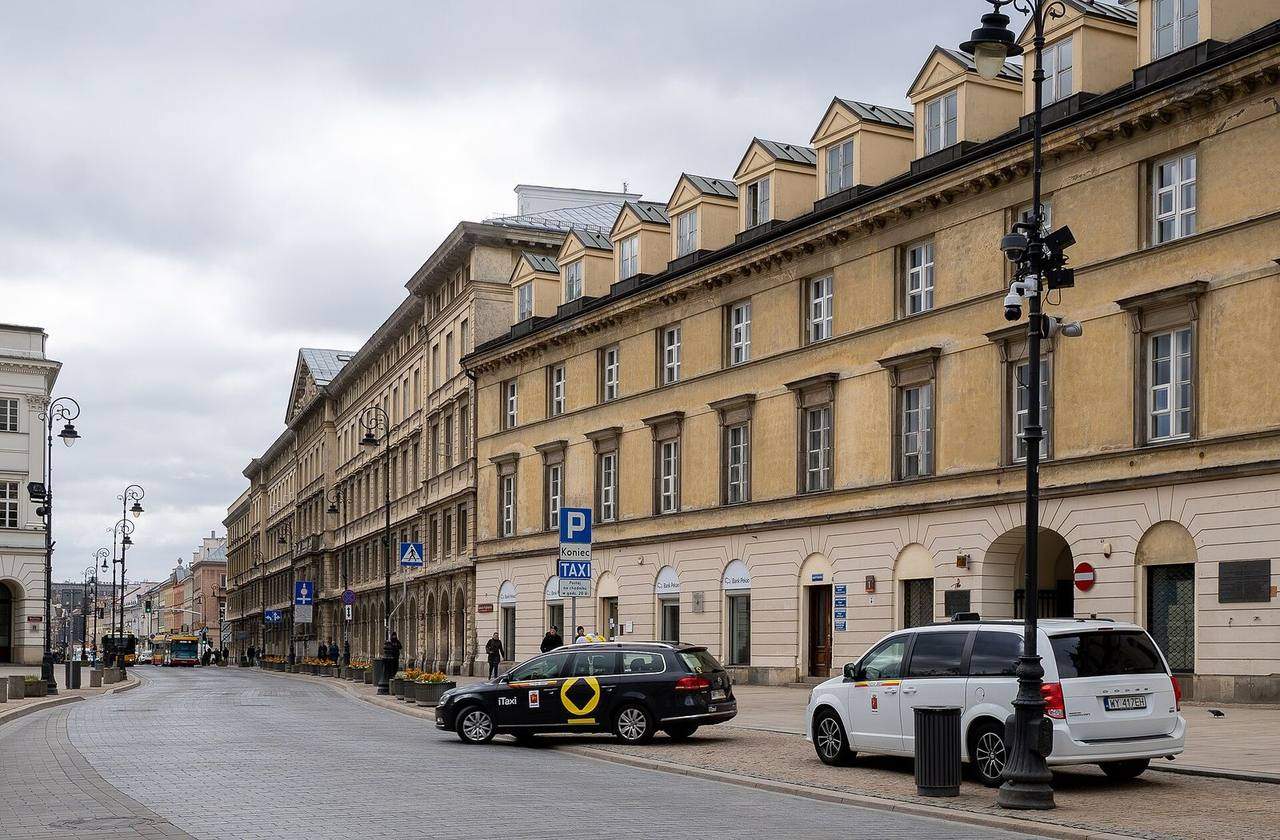
The Royal Route in Warsaw: palaces, churches and gardens from Castle Square to Wilanow
Warsaw's Royal Route links the Royal Castle with Lazienki Park and Wilanow Palace along Krakowskie Przedmiescie, Nowy Swiat and Aleje Ujazdowskie. What to see along the way, from the official city guide.
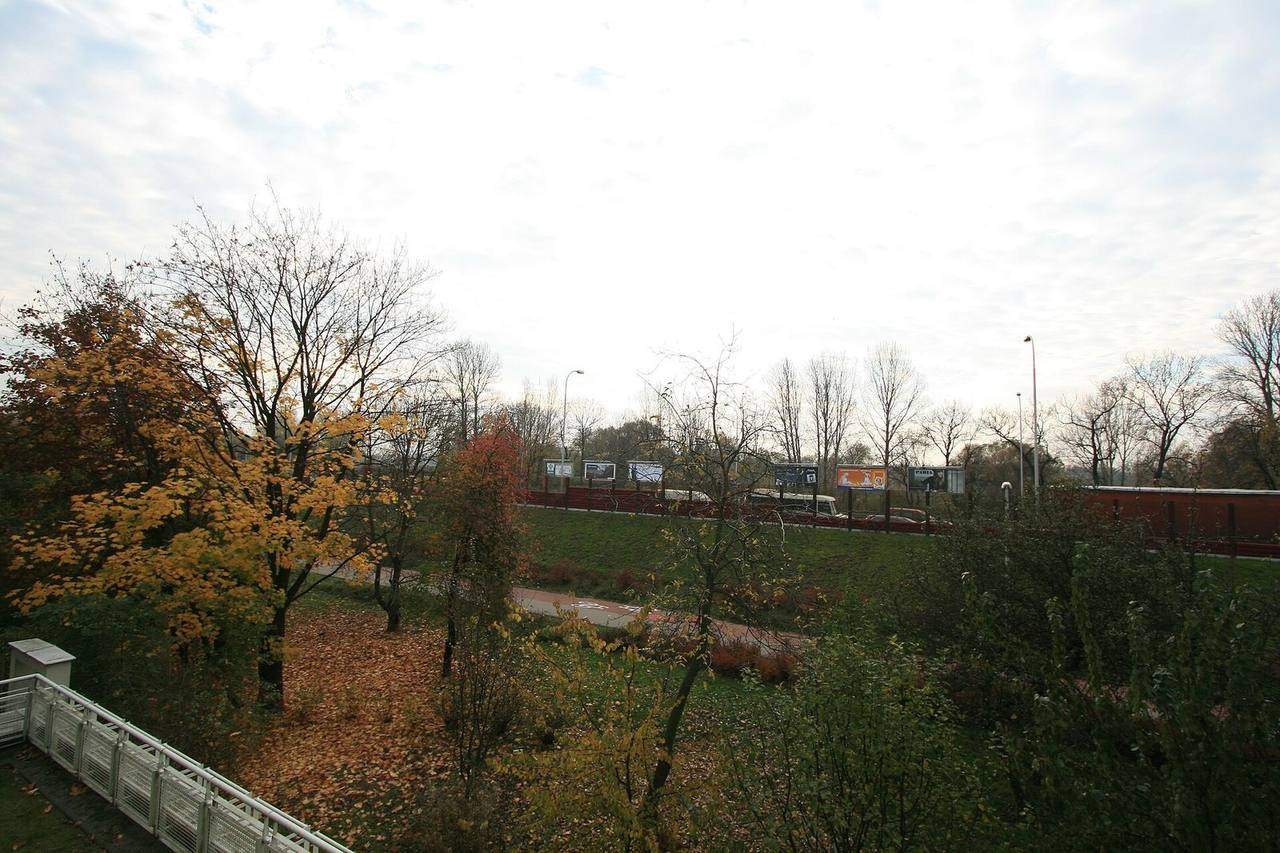
Saska Kepa: pre-war villas, modernist streets and the geodetic centre of Warsaw
Saska Kepa is the right-bank neighbourhood of elegant pre-war villas and modernist architecture that kept a small-town feel next to the city centre. It even holds the official geodetic centre of Warsaw.