
Ochota Guide: Quiet Streets, Big Parks and One Unusual Hill
What to know: Ochota, just west of central Warsaw, is one of the oldest districts of the city: 972 hectares of mostly residential streets anchored by Szczesliwicki Park and the Warsaw Uprising Mound, a hill built from post-war rubble with a panorama at the top.
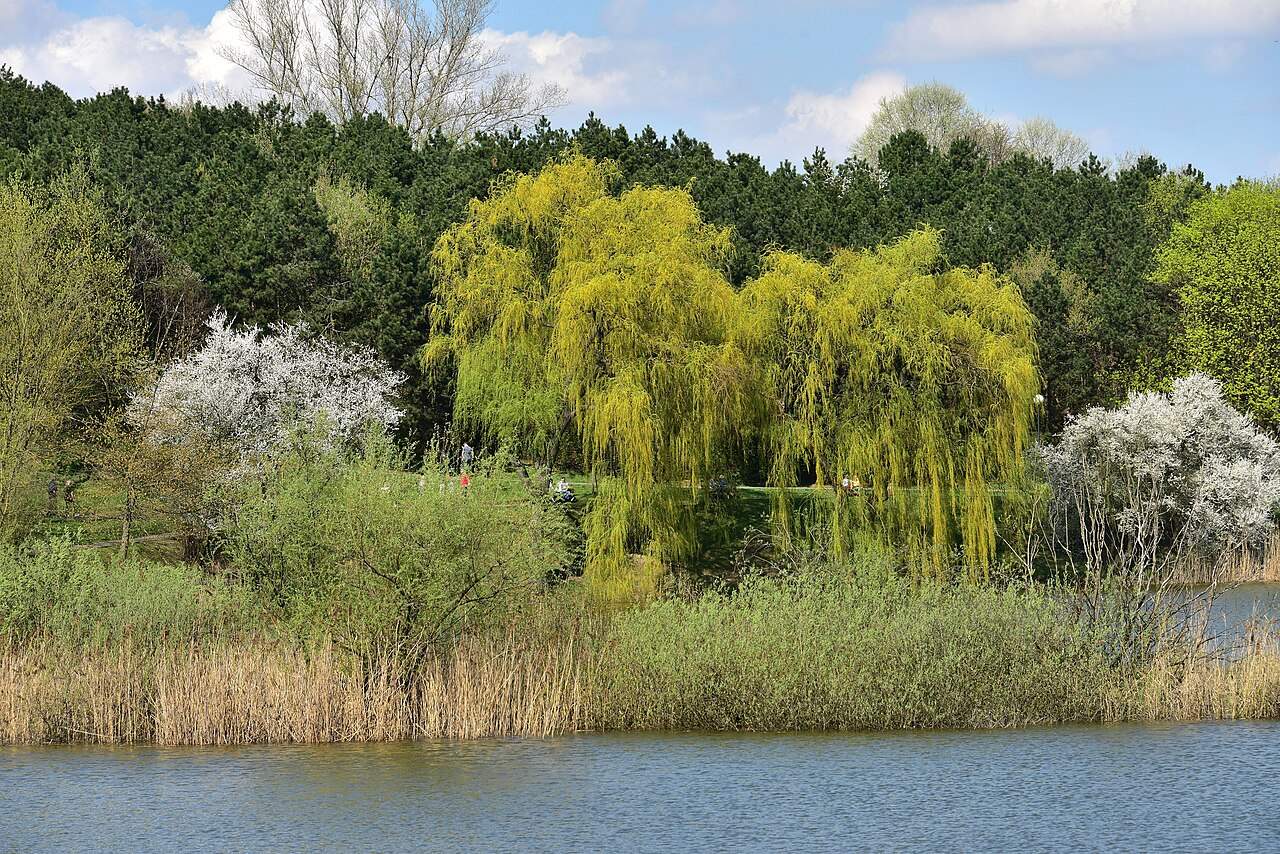
Photo: Adrian Grycuk, Wikimedia Commons (CC BY-SA 3.0 pl). Szczesliwicki Park in the Ochota district of Warsaw.
The City of Warsaw calls Ochota one of the oldest and most beautiful districts of Warsaw: it covers 972 hectares and has over 80,000 inhabitants. It is also one of the quietest central districts - a place to see how Warsaw actually lives.
Szczesliwicki Park
The district's green heart is Szczesliwicki Park, a large landscaped park with a small lake and a ski-slope hill - the closest thing to winter sports inside the city.
The Uprising Mound
On the northern edge of Ochota rises the Warsaw Uprising Mound, one of the largest memorial mounds in Poland, built over the years from the rubble of the destroyed city and crowned with a panorama over the centre.
Everyday Warsaw
Ochota's streets around Plac Narutowicza hold some of the city's most lived-in pre-war fabric, and its western edge borders the Pole Mokotowskie park shared with Mokotow and Wola.
Visiting
Trams along Aleje Jerozolimskie and Grójecka street cross the district; Warsaw Ochota station serves suburban trains. The district pairs with a walk through Pole Mokotowskie.
FAQ
What is Ochota known for?
Szczesliwicki Park, the Warsaw Uprising Mound and quiet pre-war residential streets west of the centre.
How big is Ochota?
According to the City of Warsaw, Ochota covers 972 hectares and has over 80,000 inhabitants.
Is Ochota worth visiting?
For a park day and the panorama from the Uprising Mound, yes - it shows the everyday, residential side of central Warsaw.
Sources
Follow Warsaw Daily on Instagram
Daily Warsaw news, events, concerts and city tips in English: @warsawdailynews
Related articles
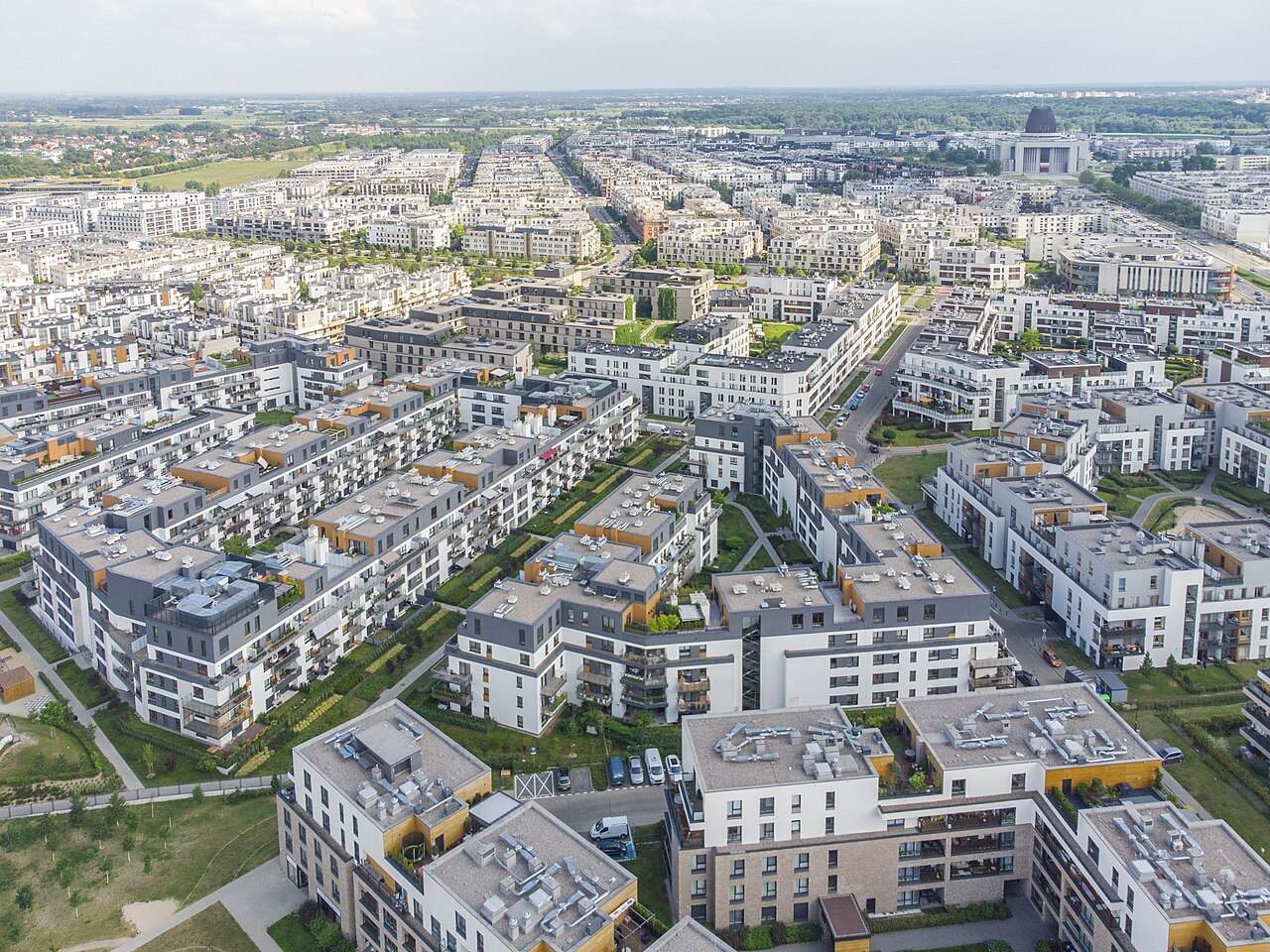
Wilanow Guide: Royal Palace, Poster Museum and the Garden City
Wilanow, on Warsaw southern edge, pairs the royal palace of King Jan III with the Poster Museum and the modern Miasteczko Wilanow. A district guide.
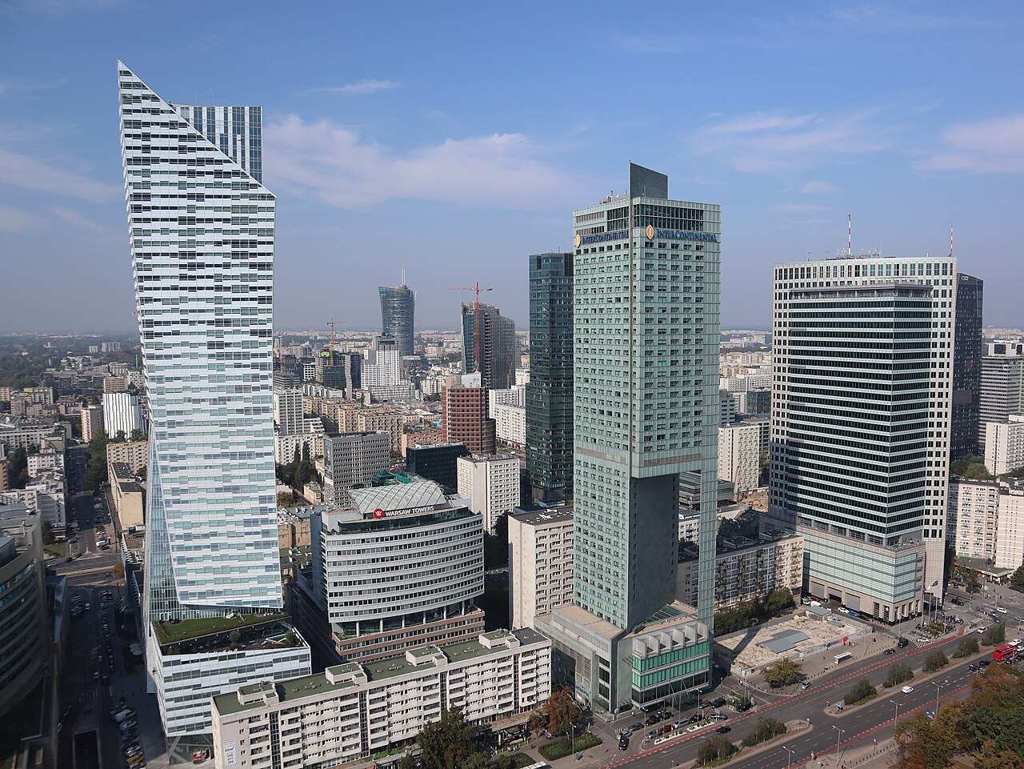
Srodmiescie Guide: Making Sense of the Warsaw City Centre
Srodmiescie, the central district of Warsaw, holds the Old Town, the Royal Route, the Palace of Culture and Lazienki Park. How to plan a visit to the heart of the capital.
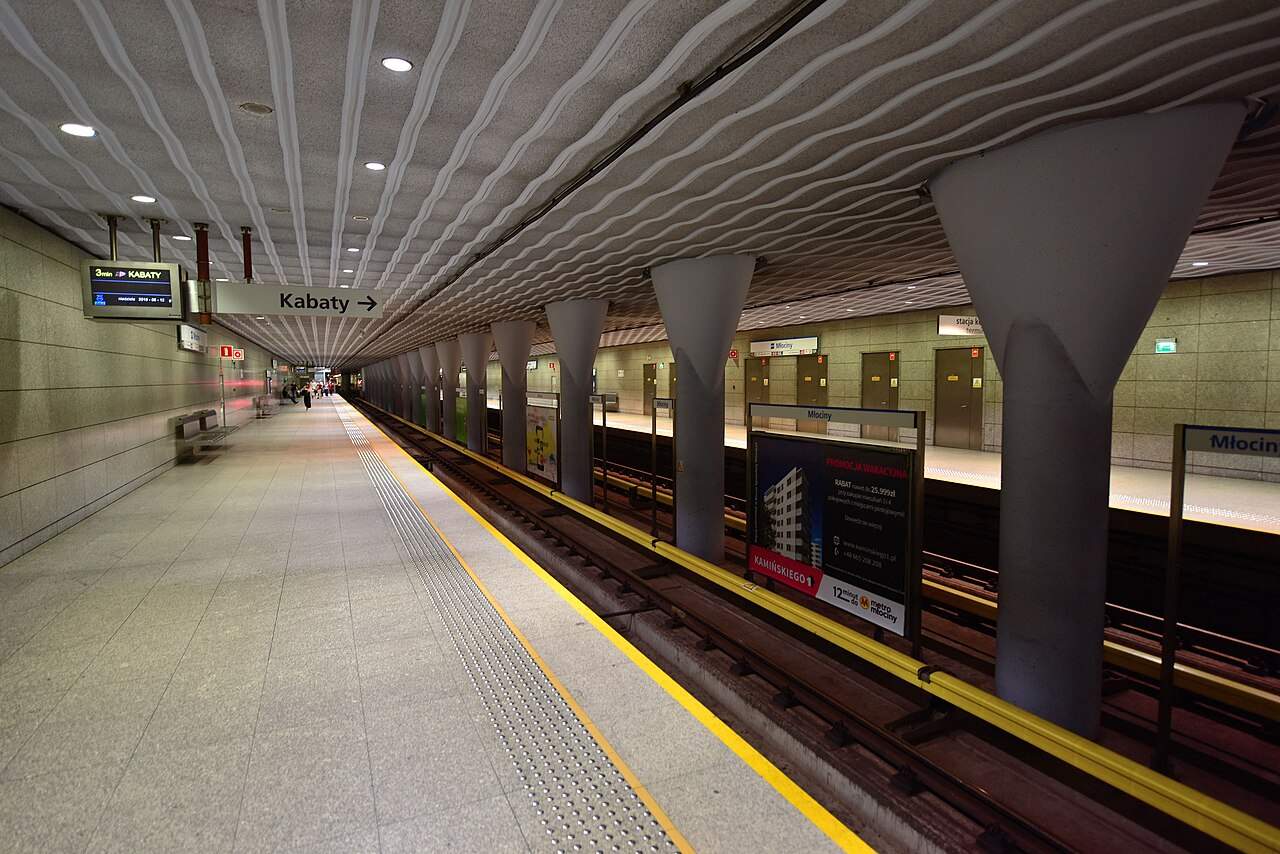
Bielany Guide: The Green Northwest and Its Forest Reserve
Bielany is the green district of north-west Warsaw: 28 percent green areas, the Las Bielanski nature reserve and metro line M1 to the Mlociny terminus. A district guide.