
Warsaw Citadel: The Fortress That Became a Museum Quarter
What to know: The Warsaw Citadel, a 19th-century fortress built under Russian rule after the November Uprising, now works as a museum quarter: the Polish Army Museum (free on Thursdays) and the free Katyn Museum both stand on its grounds in north Warsaw.
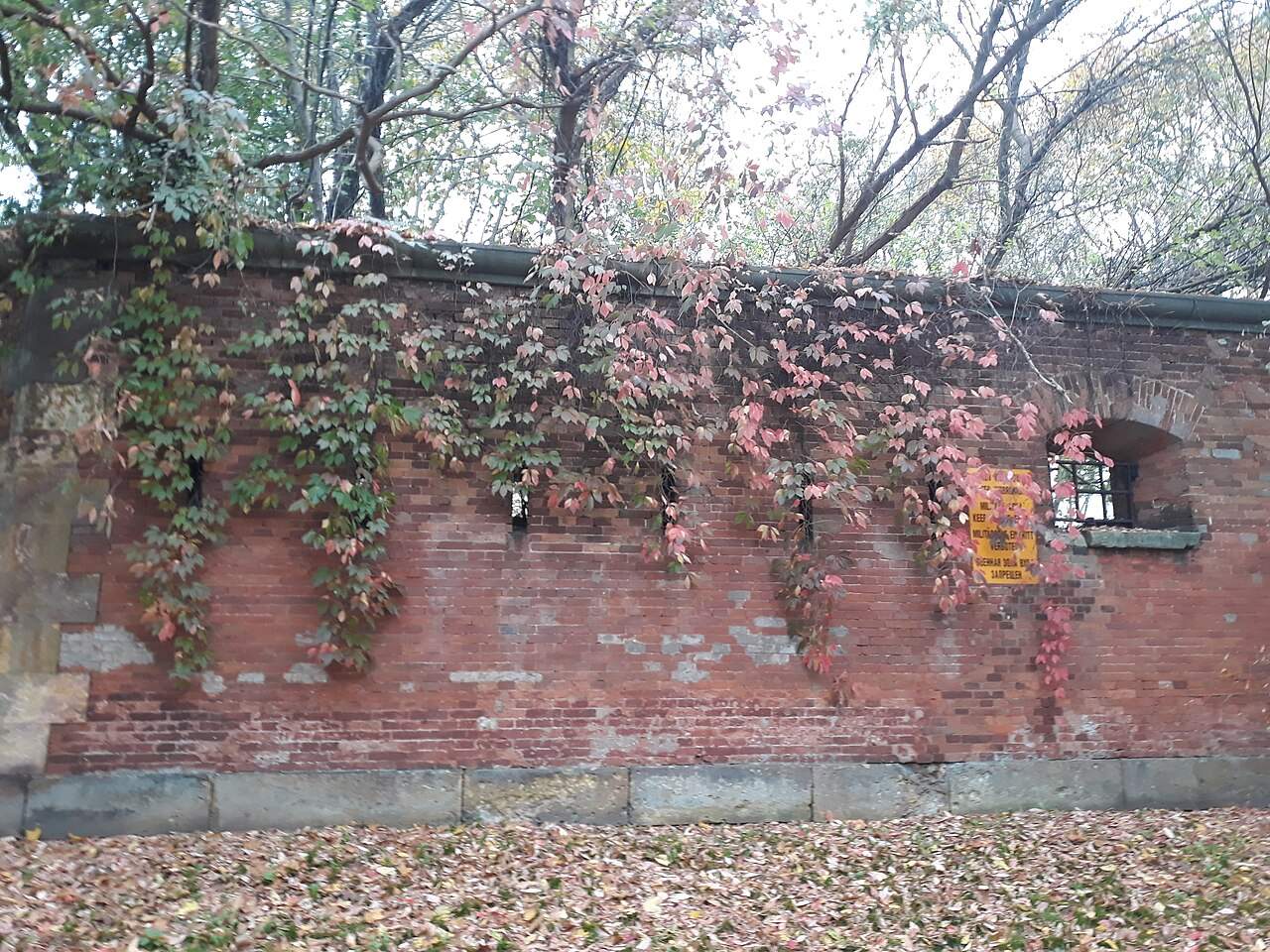
Photo: Simon Burchell, Wikimedia Commons (CC BY-SA 4.0). The Warsaw Citadel.
The massive brick fortress on the north bank of central Warsaw has watched the city change rulers, armies and purposes. The Warsaw Citadel was built in the 1830s under Russian rule after the failed November Uprising, and for over a century it served as a barracks and a notorious political prison. Today its courtyards and casemates are being turned into one of the largest museum complexes in Europe.
Polish Army Museum
The anchor tenant is the Polish Army Museum, which opened its new home at the Citadel on 13 August 2023. Over 300,000 artifacts are joining the site; the current exhibition shows 3,000 of them. Open Tuesday to Sunday, free on Thursdays.
Katyn Museum
Elsewhere on the grounds, the Katyn Museum commemorates the victims of the 1940 Katyn massacre. It has stood within the fortress since 2015 and admission is free.
Visiting
The Citadel sits in Zoliborz, by the Gdanski Bridge; the museum entrance is at ul. Gwardii 4. Walking the fortress perimeter between the two museums gives a sense of the scale of the place - plan at least half a day for both.
FAQ
Is the Warsaw Citadel free to visit?
The Katyn Museum on the Citadel grounds is free. The Polish Army Museum charges 40 PLN (30 PLN concession) with free admission on Thursdays.
What is inside the Warsaw Citadel?
The Polish Army Museum, opened at the Citadel in August 2023, and the Katyn Museum, on the grounds since 2015, plus the historic fortress architecture itself.
Where is the Warsaw Citadel?
In the Zoliborz district of north Warsaw, by the Gdanski Bridge; the museum entrance is at ul. Gwardii 4.
Sources
Follow Warsaw Daily on Instagram
Daily Warsaw news, events, concerts and city tips in English: @warsawdailynews
Related articles
Warsaw Industrial Heritage: Factories and Plants You Can Visit Today
From the Norblin Factory to Elektrownia Powisle and the Koneser distillery, Warsaw turns its industrial past into museums, food halls and city quarters. The essential list.
Forests and Nature Reserves Inside Warsaw: Where the City Goes Wild
Warsaw protects real forest inside its limits: the Bielany reserve, 925-hectare Kabaty Woods, and Kampinos National Park at the border. A guide to the wildest corners of the capital.
Zoliborz Guide: The Garden District of North Warsaw
Zoliborz is Warsaw green, village-like north district: the Citadel museums, Plac Wilsona metro, the Vistula escarpment and Rusalka beach. What to see and do.